
☾ ✦ 🔮 ✦ 🃏 ✦ ☽
tarot • oracle • pendulums • runes • scrying • reading practice
Divination Notes
A reading shelf for cards, symbols, reflective questions, and the practice of paying closer attention—with room for intuition, context, and a second look.
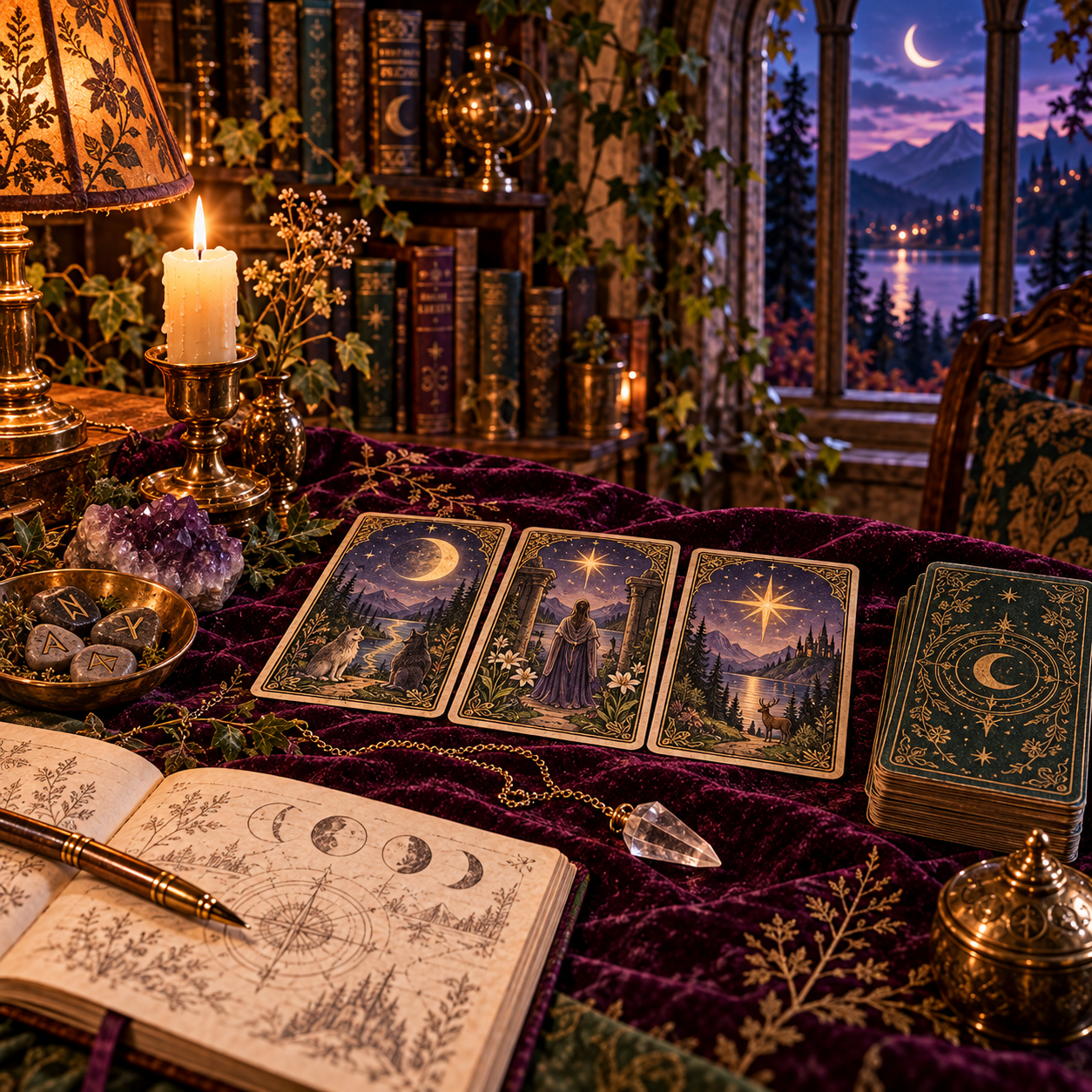
a question worth sitting with
There is more to a reading than pulling the card.
Divination Notes is where the tools meet the practice: tarot and oracle, pendulums and runes, scrying, interpretation, journaling, and the questions we bring to the table.
This shelf makes room for learning the system, noticing your own associations, considering context, and recording what you actually see before rushing to decide what it means.
Know the Tool
Explore the structure, symbols, and particular language of the system you’re working with.
Ask with Intention
Questions, spreads, and prompts that give you something useful to consider after the reading ends.
Read in Context
The question, position, surrounding symbols, and your first observations all belong in the conversation.
Leave Room to Reflect
Write it down. Come back later. You don’t have to wring a complete revelation out of every Tuesday card pull.
✦ ☾ ✦
The Reading Shelf
Guides, spreads, symbol studies, and reading reflections. The newest notes will arrive here as they’re published.
on the reading table
The first reading notes are taking shape.
Guides, spreads, and reflections will find their place here as they’re published. Bring your curiosity—and leave a little room in the notebook.
on the reading table
What Lives Here
Explore the tools, symbols, and reflective practices that give each reading its shape.
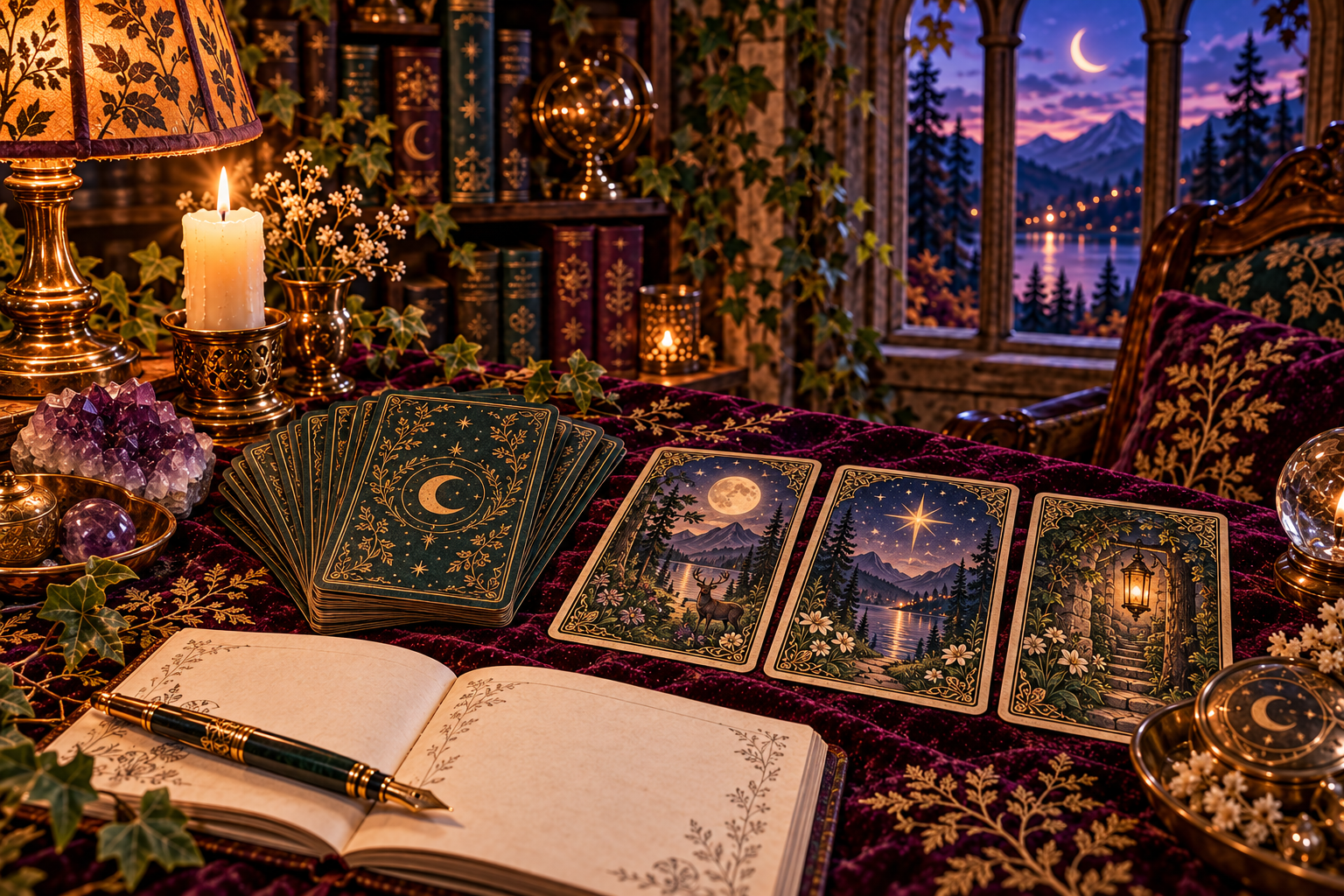
cards & interpretation
Tarot & Oracle
Card meanings, deck structures, spreads, and reflective prompts, with attention to the question and the context of a reading.
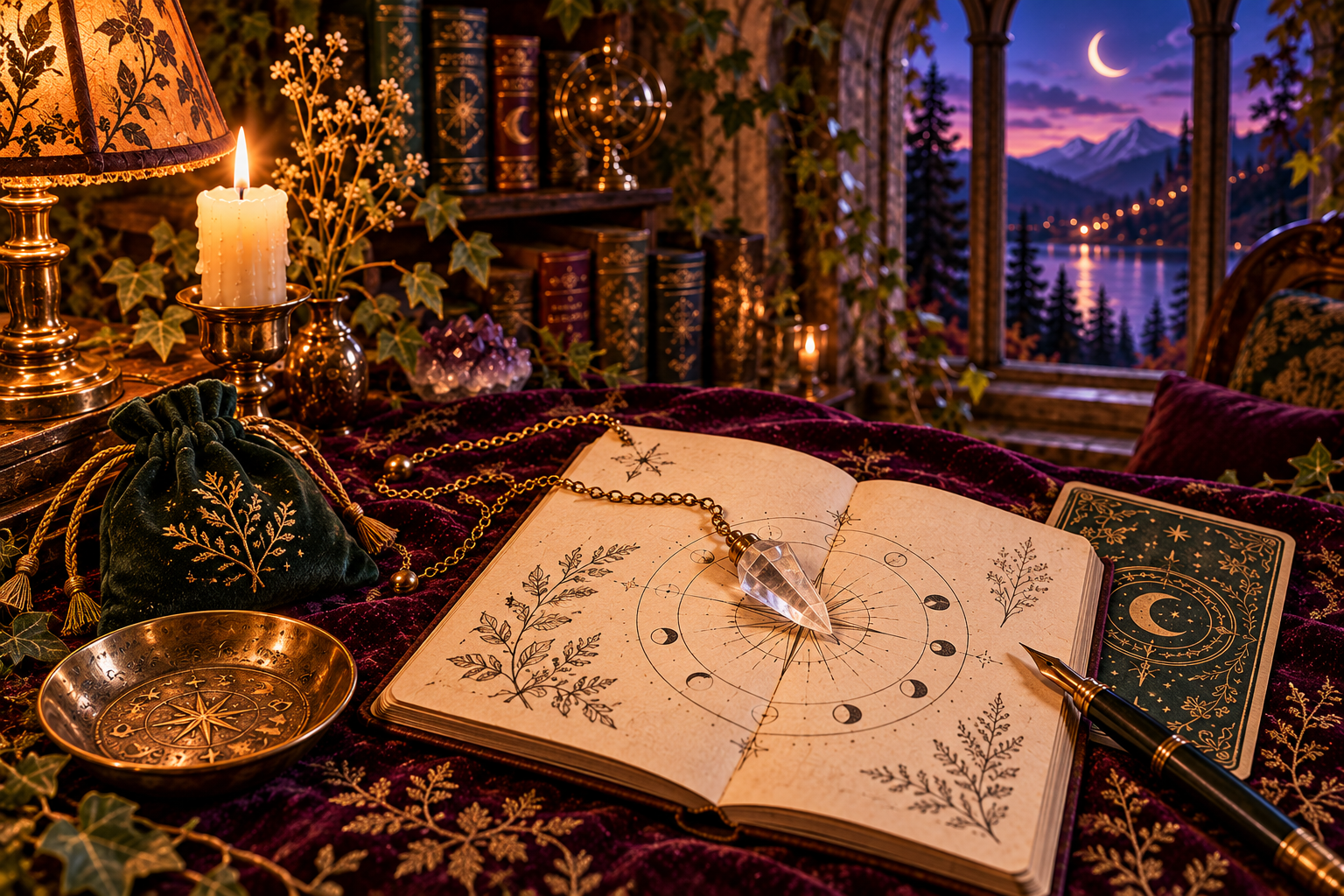
questions & observation
Pendulum Practice
Getting to know the tool, framing questions, and recording observations as you develop your own approach to pendulum practice.
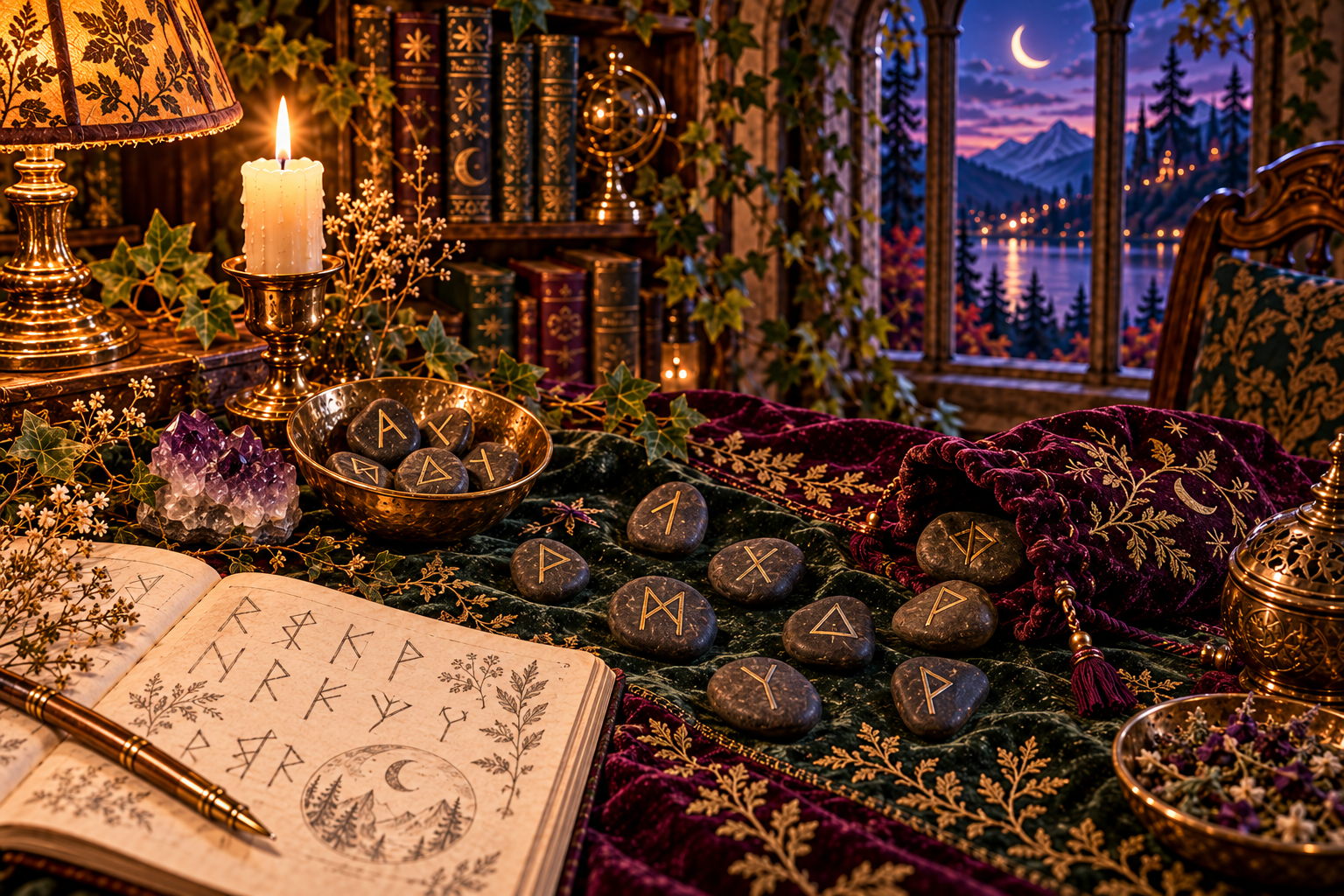
marks & meanings
Runes & Symbols
Rune systems, symbolic meanings, and reading notes explored with room for historical context, study, and interpretation.

a closer look
Scrying & Reflection
Reflective surfaces, quiet observation, and notes on what you notice, with space to consider an impression before interpreting it.
beside the reading cloth
Leave yourself something useful to return to.
A few simple habits can give a reading more depth than immediately reaching for another card.
Frame the Question
Name what you want to explore. “What could I consider?” gives you a different starting point from asking for a fixed prediction.
Keep the First Notes
Record the question, the draw or observation, and your first impressions before a guidebook or later interpretation fills in the gaps.
Give It Some Room
A reading can open a question without settling it. Leave space for reflection and for the choices that remain yours to make.
from the reading table
Bring your curiosity. Keep your own judgment.
There is room here to study the symbols, explore the tools, ask thoughtful questions, and occasionally admit that a card has given you plenty to think about without explaining itself.